
Recently, I gave an interview in a company on retail domain. Although my professional background has been largely around e-commerce and Order Management Systems (OMS), I wanted to strengthen my understanding of core retail concepts — the kind that bridge classroom theory with real-world business practices.
So, I began revisiting retail fundamentals, and here is simple breakdown of what I have explored for today
Types of Distribution
In retail, distribution is about how products move from the manufacturer to the end customer. Based on the level of market coverage and control, there are three main types:
1. Intensive Distribution
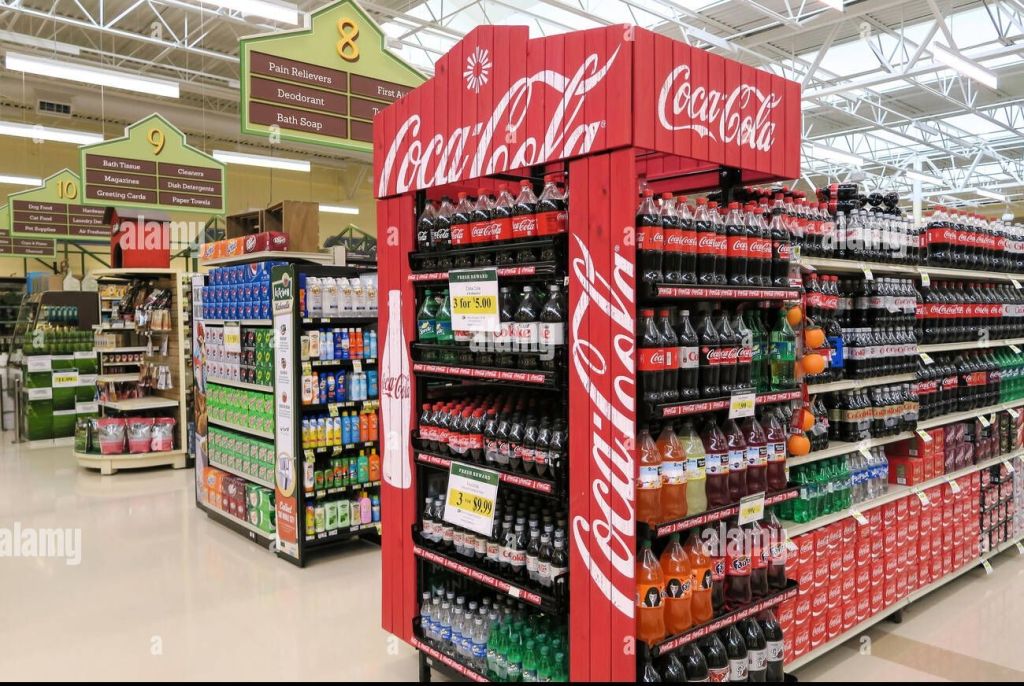
This approach aims to make products available everywhere possible — across multiple outlets and channels.
Example: Think of Coca-Cola or Pepsi. You’ll find them in supermarkets, small kirana stores, vending machines, and restaurants. The goal is maximum visibility and convenience for the customer.
When used: For FMCG (Fast-Moving Consumer Goods) and low-involvement products, where customers choose based on availability and habit rather than brand loyalty.
2. Exclusive Distribution
Here, a brand limits the number of outlets that can sell its products to maintain a premium image and better control over pricing and service.
Example: Lexus cars or Rolex watches are sold only through authorized dealerships or showrooms. This strategy protects the brand’s exclusivity and ensures a consistent customer experience.
When used: For luxury or specialty products that require brand prestige, trained staff, and post-sale service.

3. Selective Distribution
This is a balanced approach, where the brand chooses a few outlets that can maintain product standards while ensuring reasonable market reach.
Example: Samsung or Apple products are available through a mix of brand stores and selected retailers like Croma or Reliance Digital/poorvika mobiles
When used: For electronics, furniture, and lifestyle products that need demonstration, trained staff, and after-sales service.

Now that we know how this is typically happening.
A small dig into the retailing concept.
The Retailing Concept
The retailing concept revolves around understanding and meeting customer needs better than the competition. It’s not just about selling goods — it’s about delivering value, satisfaction, and experience consistently.
This concept is built on four key principles:
1. Customer Orientation – The retailer’s strategy must begin and end with the customer. Every decision — from store layout to product mix — should be designed to serve the customer better.
Example: D-Mart focuses on affordability and convenience for price-sensitive Indian shoppers.
2. Coordinated Effort – All departments (marketing, merchandising, logistics, and finance) should work in sync to deliver a seamless experience.
Example: Decathlon integrates supply chain, product design, and retail operations to keep prices low and inventory moving efficiently.
3. Value-Driven Approach – Customers must feel they are getting more value than what they pay.
Example: Big Bazaar’s “Sabse Sasta Din” campaign was designed to reinforce value perception.
4. Goal Orientation – Every retail activity should align with long-term profitability and customer loyalty.
Example: Starbucks focuses on building customer relationships through rewards and personalization, not just one-time sales.
In short, retail isn’t just about selling — it’s about strategy, experience, and trust
 Add to cart