
Asking the Right Questions: A Business Analyst’s Perspective on Retail’s Role in the Distribution Channel
When we talk about retail’s role in the distribution channel, it’s easy to get caught up in logistics, store layouts, or inventory terms. But for a Business Analyst, the real focus lies in how value is created and transferred between the manufacturer, retailer, and customer.
Some questions we can ask linking retail and distribution channel
1. Understanding Value as a Utility
Every retailer aims to create “value” — but that word means different things to different stakeholders. A good starting point is to break value down into six types of utility: form, time, place, possession, information, and service.
Each of these points can form a discovery thread.
Questions to explore:
How is value added to products before they reach the customer? For example, are there 3PL activities like kitting, repackaging, or assembly?
How do you ensure product availability when and where customers expect it?
What mechanisms simplify the buying experience — flexible payments, easy returns, or delivery options?
How does customer feedback flow back to suppliers or merchandising teams?
What type of post-purchase support or education do you provide to customers?
These questions help identify where the retailer truly delivers value and where friction still exists in the customer journey.
2. Value as an Activity
From an operational standpoint, retailers create value by offering assortments, breaking bulk, holding inventory, and providing services. But the real insight comes from understanding how they do it.
Questions to ask:
What’s the strategy behind the product assortment? How often is it reviewed or optimized?
How do you manage packaging or breaking bulk — especially in multi-channel scenarios?
How is inventory distributed across DCs, stores, or fulfillment centers?
What value-added services (installations, financing, warranties) are tied to the sales process?
The goal is to connect these operational decisions with business outcomes — like margin improvement, customer retention, or service differentiation.

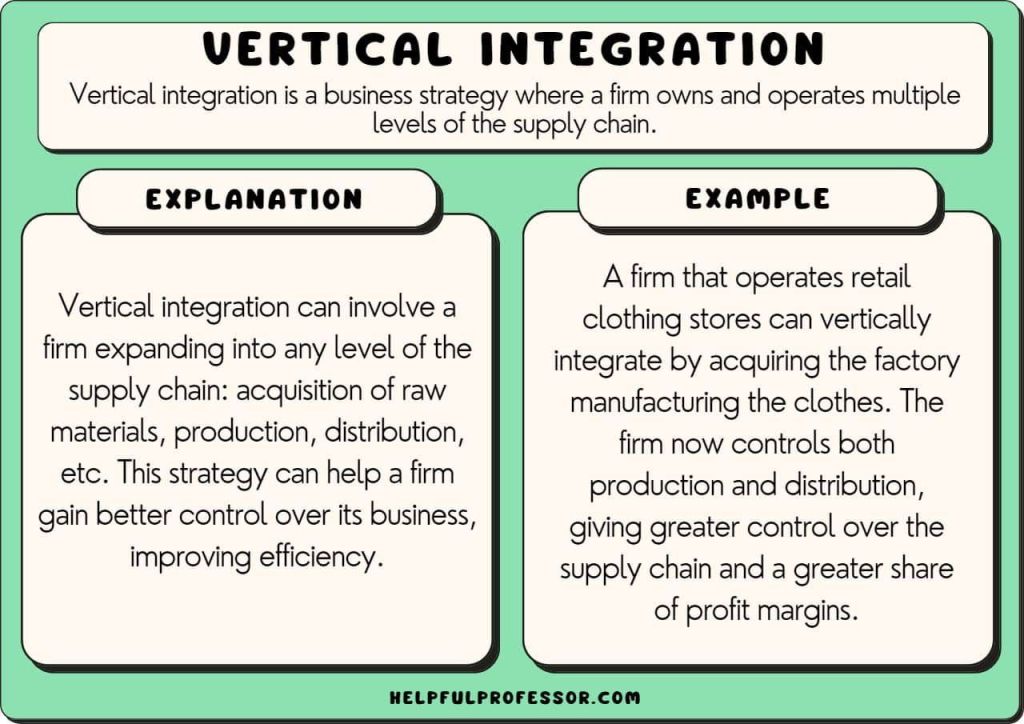
3. Exploring Vertical Integration
Vertical integration often determines how much control the retailer has over upstream and downstream processes. As analysts, we need clarity on ownership boundaries, system integrations, and dependencies.
Key questions:
Does the retailer manage its own warehouses or rely on third-party logistics?
Are private-label or in-house manufacturing activities part of the model?
Are returns and repairs managed internally or through external partners?
Which systems handle procurement, distribution, and retail sales, and how do they integrate?
These insights influence everything from API mapping to fulfillment workflows and data ownership discussions.
4. Linking to the Value Chain
Michael Porter’s value chain provides a structured way to think about where value is added and where inefficiencies may exist. In discovery workshops, this model can be turned into practical dialogue.
Discovery focus areas:
How are inbound logistics managed — do suppliers have real-time visibility?
Which operations are automated, and where does manual intervention still exist?
How efficient is outbound logistics — especially order fulfillment and delivery?
What are the current marketing and sales touchpoints, both online and offline?
How are customer service activities monitored and improved?
5. Retail Strategy Shifts During Challenging Times
In recent years, retailers have experimented with strategies like smaller stores, pop-up formats, lean inventory, and layaway programs. As analysts, we need to translate these shifts into system and process implications.
Questions to ask:
How do smaller-format stores affect assortment, stock levels, and replenishment cycles?
How do temporary stores or pop-ups integrate with existing OMS or ERP systems?
How is demand forecasting managed for short-term or seasonal stores?
Are promotional campaigns and loyalty programs integrated across all channels?
Understanding these strategies early ensures that solution design aligns with business intent — whether it’s agility, cost control, or customer engagement.
6. Takeaway for Business Analysts
Business analysis in retail is about turning theory into value on the ground. It’s not just mapping processes—it’s uncovering where value is created or lost.
 Add to cart